
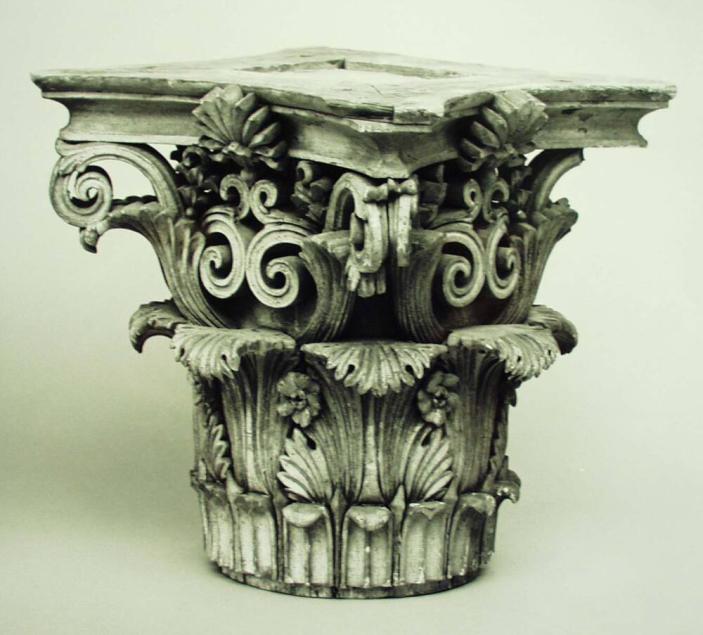
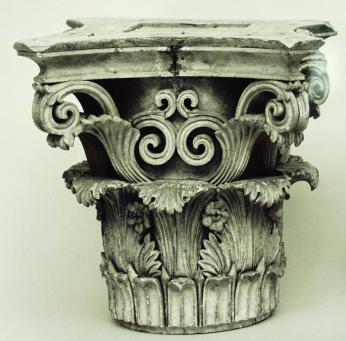
Corinthian Capital (one of a pair)
DesignerPossibly
Henry Howard(American, born Ireland, 1818–1884)American, born Ireland, 1818–1884
CultureAmerican
Titles
- Corinthian Capital (one of a pair)
Datec. 1857
Possible placeLouisiana, United States
Possible placeNew Orleans, Louisiana, United States
MediumWood with traces of paint
Dimensions17 × 17 3/4 × 17 3/4 in. (43.2 × 45.1 × 45.1 cm)
Credit LineThe Bayou Bend Collection, gift of Mrs. W. B. Sharp
Object numberB.2007.26.2
Not on view
Explore Further
Department
Bayou BendObject Type
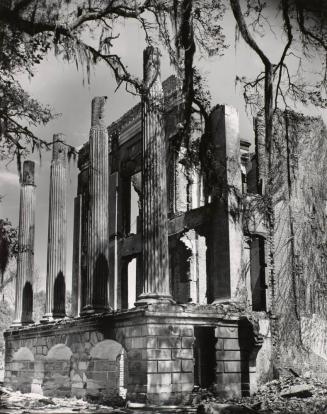
This capital was possibly salvaged from Belle Grove Plantation (demolished), which was a Greek Revival and Italianate-style plantation mansion near White Castle in Iberville Parish, Louisiana. Completed in 1857, it was one of the largest mansions ever built in the South.
Designed by Irish-born architect Henry Howard, the house was the centerpiece of an extensive sugar plantation whose owner, John Andrews, enslaved the workforce required to produce the crop.
ProvenanceEstelle Boughton Sharp (Mrs. Walter B. Sharp, 1873–1965); given to MFAH, 1942.
Cataloguing data may change with further research.
If you have questions about this work of art or the MFAH Online Collection please contact us.
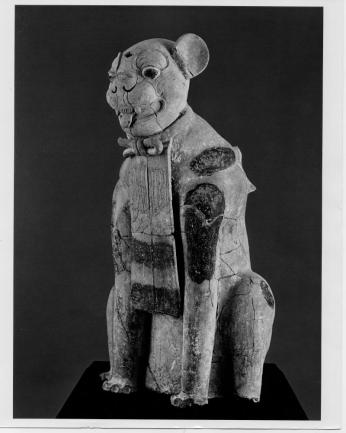
Classic Veracruz
500-700
Earthenware with black pitch (chapopote) and traces of polychrome pigment
63.1
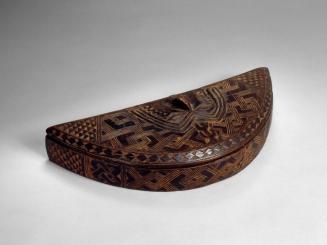
Unknown African
1900–1925
Wood and traces of tukula
91.1450.A,.B
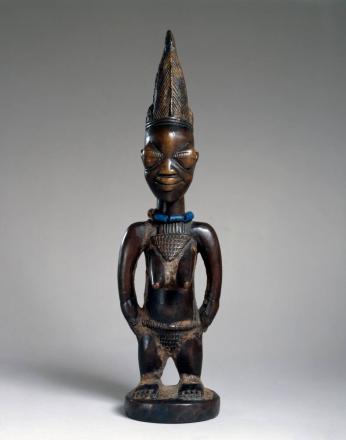
Unknown African
1875–1925
Wood, glass beads, and traces of tukula
91.1449
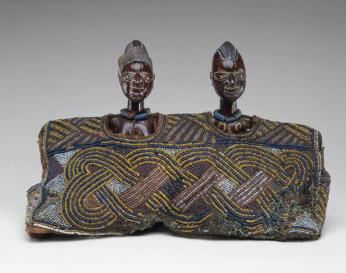
Unknown African
1900–1950
Wood, glass beads, cotton cloth, coconut shell beads, and traces of indigo and tukula
91.1447.A-.C
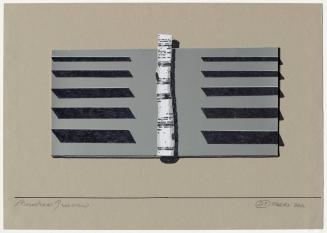
Andrea Branzi
2011
Collage of silver foil on paper board and white cut paper, with fiber-tipped marker, pastel, and gouache, over traces of graphite on gray wove paper
2018.29