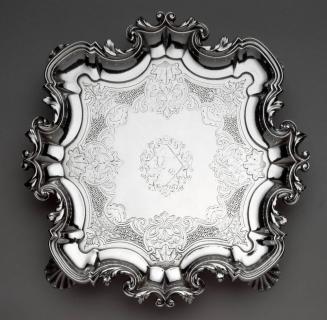
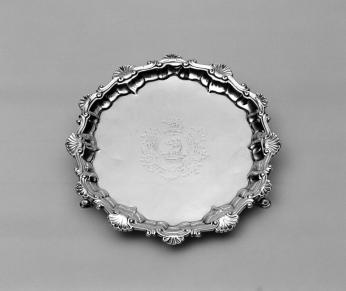
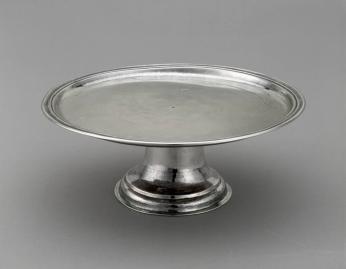
Salver


Maker
Lewis Fueter(American, Swiss, 1746–1784)American, Swiss, 1746–1784
CultureAmerican
Titles
- Salver
Datec. 1772
Made inNew York, New York, United States
MediumSilver
Dimensions1 7/16 × 11 7/8 × 11 1/2 in. (3.6 × 30.2 × 29.2 cm)
Credit LineThe Bayou Bend Collection, museum purchase funded by the Gloria Garic Anderson Endowment for Accessions
Object numberB.2025.4
Current Location
Bayou Bend Collection and Gardens
Metals Study Room
On view
Explore Further
Department
Bayou BendObject Type
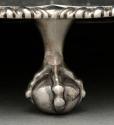
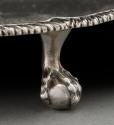
This silver salver shows Lewis Fueter’s technical skill, specifically, those of hammering out a flat disc of perfect symmetry and uniform thickness and maintaining that uniformity through the process of adding the molded edge and feet.
Its engraving features the initials “A B,” those of New York merchant and patriot Abraham Brinckerhoff (1745–1823). The engraver of the monogram is not known, though it has been speculated that it may have been Henry Dawkins based on the cartouche’s similarity to one on a certificate that Dawkins engraved for Sir William Johnson. Another possibility is the Geneva engraver John Anthony Beau, who had worked with the elder Fueter and who later advertised his services as available through application to Lewis Fueter.
ProvenanceAbraham Brinckerhoff, New York (1745–1823); his widow, Dorothea Remsen Brinckerhoff (1750–1835); their daughter, Lucretia Lefferts Brinckerhoff Schermerhorn (1785–1851); her son, Alfred Newton Schermerhorn (1819–1878); his son, Alfred Egmont Schermerhorn (1871–1932); his son, Alfred Coster Schermerhorn (1898–1956); his daughter, Sheila Schermerhorn Scott (1931–2023); consigned by her heirs to [Weschler’s Auctioneers and Appraisers, Rockville, Maryland, September 27, 2024, lot 13]; purchased by Adam Goodheart, Centreville, Maryland; purchased by MFAH, 2025.
Inscriptions, Signatures and Marks
Initials engraved at top center: AB
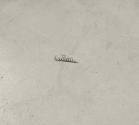
Stamped on bottom in script letters within an irregular, conforming rectangle: L Fueter
Cataloguing data may change with further research.
If you have questions about this work of art or the MFAH Online Collection please contact us.
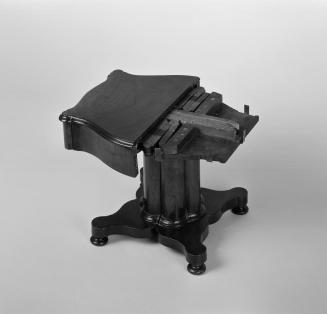
Lewis Thorn
c. 1851
Walnut; eastern white pine, yellow-poplar, cucumber tree, and white oak
B.93.10
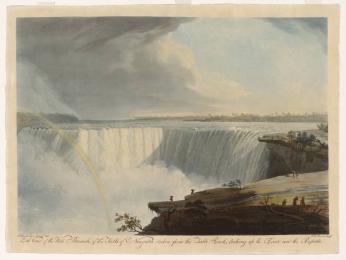
Frederick Christian Lewis
c. 1804
Aquatint in colors with watercolor and gouache hand coloring on wove paper, proof before lettering
B.2016.7
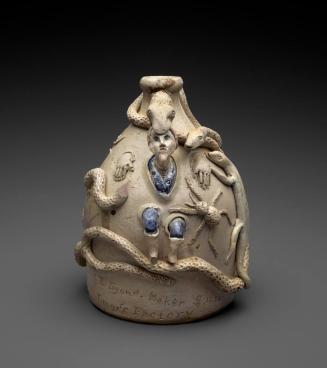
John Lewis Stone
c. 1870–1872
Salt-glazed stoneware with cobalt and slip decoration
B.2015.8