sliderarrowCloseMenushare_facebookshare_instagramshare_xshare_linkedinshare_threadsshare_shareshare_tranditionalshare_calendarshare_emailicon_threadsconnect_facebookconnect_instagramconnect_xconnect_youtubeconnect_atbtn_arrowhamburger-x
Skip to main content
Menu Collections
CultureEnglish
Titles
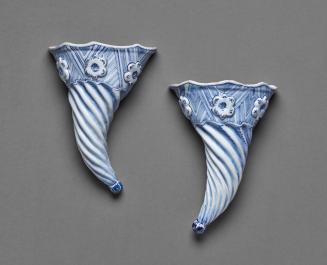
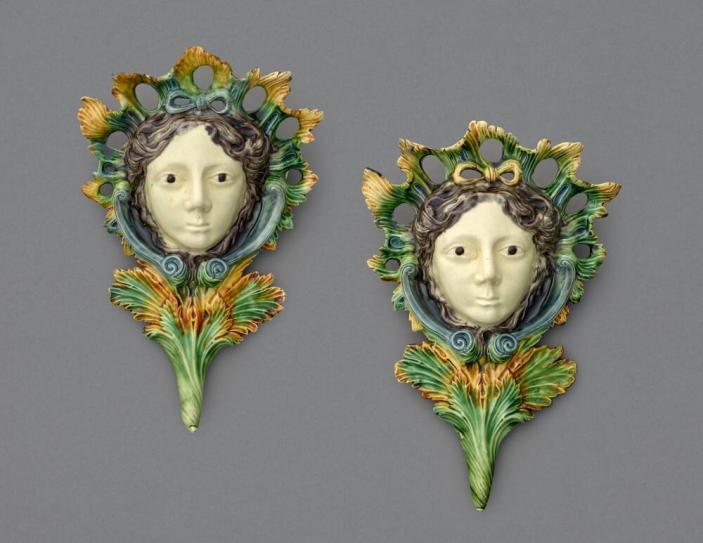
  • Pair of Wall Pockets
Datec. 1755–1775
Made inEngland
MediumLead-glazed earthenware (creamware)
Dimensions.1) 12 × 8 1/4 × 3 3/4 in. (30.5 × 21 × 9.5 cm)
.2) 11 7/8 × 8 1/2 × 3 11/16 in. (30.2 × 21.6 × 9.3 cm)

Credit LineThe Bayou Bend Collection, gift of Miss Ima Hogg
Object numberB.56.111.1,.2
Current Location
Bayou Bend Collection and Gardens
Chippendale Bedroom
Exposé

Explore Further

Department
Bayou Bend
Object Type
Description

Wall pockets, or wall-mounted flower containers, first were made from porcelain in China in the 1600s. In the 1700s and 1800s in England, wall pockets, like the ones here, were sometimes known as “cornucopias” or “flower horns.” Reaching the height of their popularity in the mid-1700s, these objects probably hung in dining rooms and parlors. Sold in pairs, wall pockets were usually constructed of press-molded fronts or slip-cast fronts and then half joined to flat, slab backs, which were pierced twice to allow for a wire for hanging. England produced a wider arrange of wall pockets than any other country. They were made in delftware, creamware, pearlware, green-glazed earthenware, soft-paste porcelain, and white salt-glazed stoneware.

In the mid-1700s, English potters developed a light- or cream-colored earthenware body that, when coated with a lead glaze, yielded wares with a glassy, shiny surface. Josiah Wedgwood continued to refine this pottery, which he later called “Queens’ Ware” because of a commission he received from Queen Charlotte in 1765. Many potteries produced these wares, employing numerous techniques to decorate them. To create the color on this wall pocket, the potter applied metallic oxides to the surface of the once-fired ware before applying the lead glaze. A second firing fixed the glaze.


Provenance[Ginsburg & Levy, New York]; purchased by Miss Ima Hogg, October 24, 1956; given to MFAH, by 1966.
Exhibition History

Inscriptions, Signatures and Marks
[no inscriptions]
[no marks]

Cataloguing data may change with further research.

If you have questions about this work of art or the MFAH Online Collection please contact us.

Pair of Wall Pockets
Unknown English
c. 1755–1775
Tin-glazed earthenware (delftware)
B.2019.15.1,.2
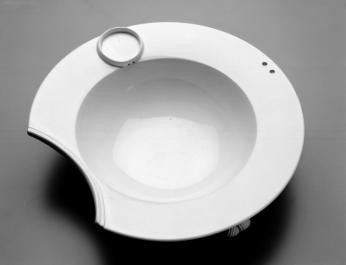
Barber's Basin
Unknown English
c. 1770–1800
Lead-glazed earthenware (creamware)
B.93.22
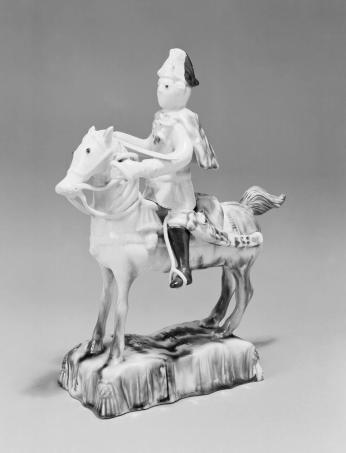
Equestrian Figure of a Dragoon
Unknown English
c. 1750–1760
Lead-glazed earthenware (creamware)
B.56.68
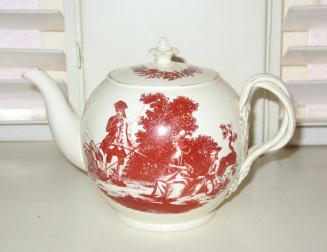
Teapot
Unknown English
c. 1775–1785
Lead-glazed earthenware (creamware) with transfer print
B.85.15.A,.B
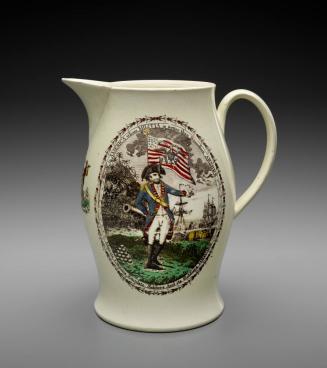
Jug
Herculaneum Pottery
c. 1800–1810
Lead-glazed earthenware (creamware) with enamel and transfer print
B.61.41
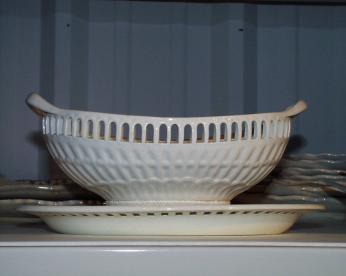
Bowl and Stand
Josiah Wedgwood & Sons
c. 1800–1840
Lead-glazed earthenware (creamware)
B.78.67.A,.B
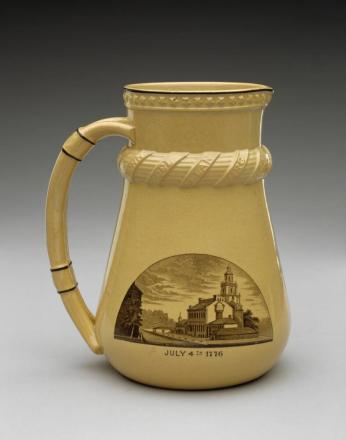
Centennial Jug
Josiah Wedgwood & Sons
1874
Lead-glazed earthenware (creamware) with transfer print
B.2002.26
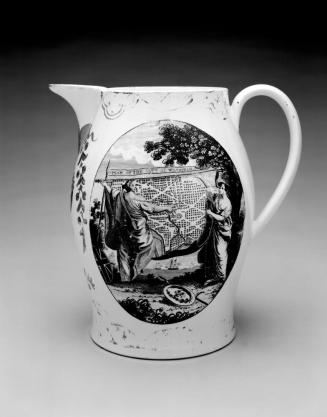
Jug
Herculaneum Pottery
c. 1800–1810
Lead-glazed earthenware (creamware) with transfer print and gilding
B.61.33
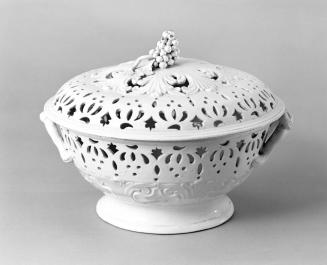
Chestnut Basket
Unknown English
early 19th or 20th century
Lead-glazed earthenware (creamware)
B.56.92.1.A,.B
Teapot
Unknown English
c. 1765–1780
Lead-glazed earthenware (creamware)
B.97.35.A,.B
38-piece Dessert Service
Spode Pottery and Porcelain Factory
c. 1810
Lead-glazed earthenware (creamware) with enamel and gilding
B.72.107.1-.35
Figure of a Bear
Unknown English
c. 1770–1790
Lead-glazed earthenware (creamware or pearlware) with overglaze enamels
B.71.100
Thomas Whieldon